Key facts: Walnut Creek Country Club
- Walnut Creek Country Club opened in 1974, and homes around it range from the early 1970s to the late 2000s [1].
- The club-side streets mix houses from several decades, so plumbing materials and roof ages differ widely from one home to the next.
- Wet materials should be dried within 24 to 48 hours to help prevent mold [2].
- Plumbing repairs in Texas, including slab leak repairs, are done by plumbers licensed by the Texas State Board of Plumbing Examiners [3].
Covered area
Covered neighborhoods around the club
Calls from these streets can be connected to an independent restoration contractor serving Mansfield.
- ZIP 76063Residential streets surrounding Walnut Creek Country Club in Mansfield.
- Club-side streetsHomes ranging from the 1970s into the 2000s, many backing onto the course [1].
About the area
Golf-course living in Mansfield
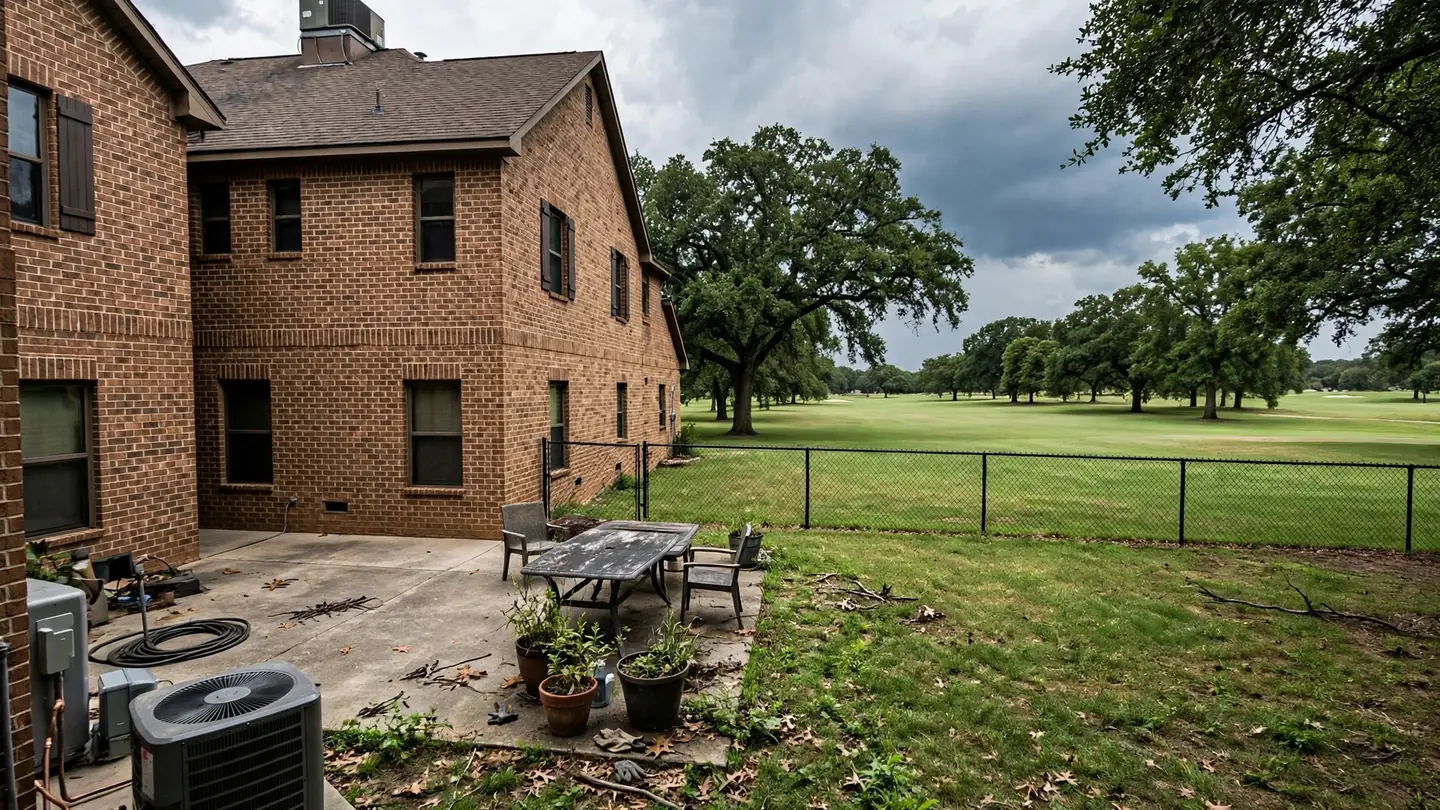
Walnut Creek Country Club opened in 1974 and became one of the anchors of Mansfield's early growth beyond its old downtown [1]. The neighborhoods around it filled in over the next three decades, so the oldest houses sit beside much newer ones [1]. Many lots back directly onto fairways or greens.
The houses tend to be larger than in other Mansfield neighborhoods of the same age: brick exteriors, two-story plans, formal rooms, multiple bathrooms and long hallways. More bathrooms and longer plumbing runs mean more places a leak can start, and more square footage for water to travel across before anyone notices.
Golf courses also change the ground around a house. Fairways are heavily irrigated and graded to shed water toward drains and ponds. Homes that back onto them can see runoff move across the yard during storms and, in some spots, toward the back of the house.
Local problems
Water problems common around the club
Slab leaks in older copper
Copper supply lines under slabs in homes from the 1970s and 1980s can develop pinhole leaks after decades of use and ground movement.
Leaks in a far wing
In a large house, a slow leak in a guest bath or an unused upstairs room can run for days before anyone sees it.
Second-floor laundry and baths
Water from upstairs fixtures passes through the floor system and shows on ceilings below.
Attic HVAC condensate
Large homes often have more than one HVAC unit in the attic, each with a drain line that can clog in summer.
Irrigation against the house
Sprinkler zones near the foundation and course irrigation can keep soil and walls wet.
Wet bar and ice maker lines
Wet bars, ice makers and refrigerator lines in finished areas leak quietly behind cabinets.
Slab leaks
Slab leaks in older golf-course homes
Many homes of this age have copper water lines running in or under the slab. Over time, water chemistry, soil movement and the way lines were bent and supported can wear small holes in them. A pinhole leak under the slab can release water for weeks before it shows.
The clues are often small: a warm spot on the floor if it is a hot water line, the sound of running water when nothing is on, a water meter that moves with every fixture off, damp carpet or swollen baseboard in one spot, or a utility bill that jumps for no clear reason. Cracks in tile above the leak or a musty smell may follow.
A plumber licensed in Texas locates and repairs the leak first [3], sometimes by rerouting the line through the walls or attic instead of breaking up the floor. Only after the repair does drying begin. The slab leak guide on this site explains the signs and steps in more detail.

Assessment
How water damage is assessed in a large home
- 1
Locate the source
Plumbing, roof, HVAC or outside water. In a large house, the source may be some distance from where the damage shows.
- 2
Map the whole floor
Moisture meters are swept across adjoining rooms, hallways and closets, not just the room with the visible damage.
- 3
Check both floors
Upstairs leaks are traced through the floor system to ceilings below.
- 4
Read cabinets and built-ins
Kitchens, wet bars and bathroom vanities hide water against walls.
- 5
Look at the attic
Each HVAC unit, its pan and its drain line are checked if ceiling stains are present.
- 6
Set a dry standard
Unaffected materials elsewhere in the home give the target reading.
Diagnosis
Common sources in larger Mansfield homes
| Source | How it shows | Usual handling |
|---|---|---|
| Slab leak in copper line | Damp carpet in one spot, warm floor, meter moving | Plumber repair, then floor and wall drying |
| Upstairs toilet or tub | Ceiling stain downstairs | Shut off fixture; open ceiling if needed; dry both floors |
| Attic HVAC drain line | Ceiling stain under the unit | Clear drain; remove wet insulation; dry ceiling |
| Ice maker or refrigerator line | Swollen cabinet base, wet wood floor | Replace line; dry cabinets and floor |
| Wet bar sink | Damp floor behind cabinet | Repair; pull toe kick; dry |
| Yard and course runoff | Wet carpet along a back wall | Fix drainage; treat as contaminated water |
Finishes
Floors and finishes in these homes
Homes around the club often mix finishes: wood floors in entries and dining rooms, carpet in living areas and bedrooms, tile in kitchens and baths. Some older homes have had wood or tile added over the years. Each responds to water differently, which affects how a single leak is dried.
Wood floors are the main concern. Solid hardwood nailed to a wood subfloor in a two-story home behaves differently from engineered wood glued to the slab. Both can cup when wet, and both may recover with slow drying using floor mats. Engineered wood glued to concrete can lose its bond if water stays underneath, which may make replacement unavoidable.
Large tiled areas spread water widely across the slab before it is noticed. Moisture readings at grout lines across the room show how far it went.
Drying
Drying a large house
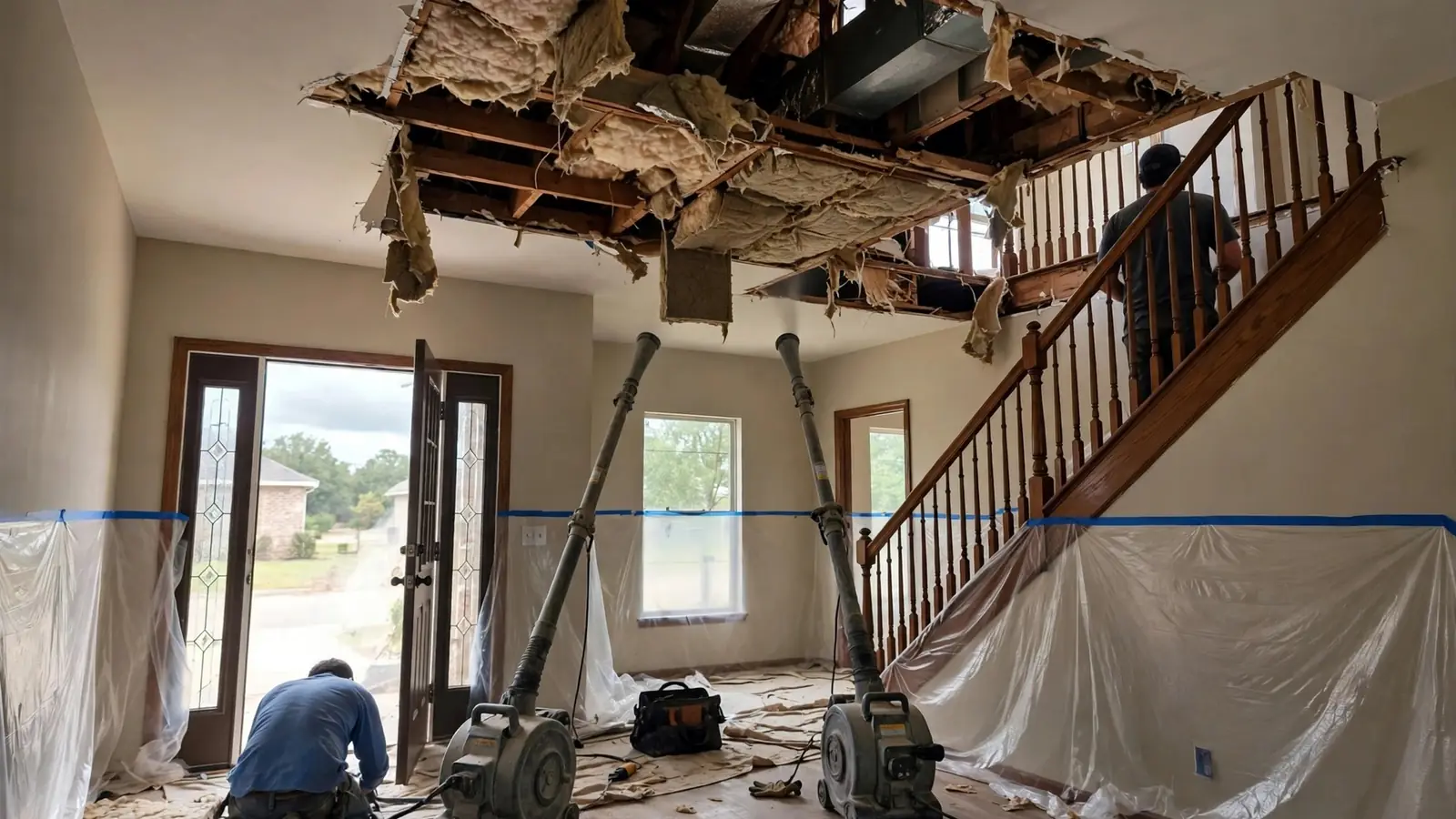
More square footage means more equipment and more planning. A contractor may set up containment to dry one wing at a time, rather than running equipment through the whole house. That keeps the rest of the home livable and makes the dehumidifiers more effective.
Two-story homes need both floors dried. If water has run through the floor system, ceiling drywall below may be opened to let air reach the joists and subfloor. Cavity drying systems can push dry air into walls and ceilings through small holes, preserving finished surfaces where possible.
Large homes often have more than one HVAC system. Running the system that serves the wet area, at a setting the contractor recommends, can help dehumidifiers keep humidity down.
The job
How cleanup and drying usually go
After the source is repaired, water is extracted from carpet and hard floors. Wet pad comes out. Baseboards in the wet zone are removed and saved if they are solid wood. Air movers and dehumidifiers are placed, and walls with high readings get small holes behind the baseboard line for cavity drying.
Cabinets in kitchens and wet bars are a common focus. Toe kicks come off so air can reach the floor under the cabinet. If the cabinet base is particleboard and has swollen, it may need replacing. Solid wood cabinets usually dry well.
Daily readings track progress. Most clean-water losses in these homes dry within a few days, though wood floors, two-story losses and slab leaks can take longer.
DIY vs pro
What homeowners can do
Shut off the water at the fixture or main, turn off power to wet areas and move rugs, furniture and electronics out of the wet zone. In homes with wood floors, wipe up standing water quickly; even a few hours make a difference.
Leave cutting drywall, lifting wood floors and opening ceilings to the contractor. Take photos before anything is moved, including close-ups of wood floors, cabinets and any visible damage.
The visit
From your call to a dry house
- 1
Call
You describe the source, the rooms affected and the floor types.
- 2
Visit
The contractor inspects, takes readings and checks both floors and the attic as needed.
- 3
Plan
You hear which areas will be dried in place, what must be removed and how long it may take.
- 4
Agreement
Work starts once you agree it with the contractor.
- 5
Drying
Equipment runs with daily monitoring.
- 6
Records
You get readings and photos for your insurer and your home files.
Prevention
Golf-course drainage and irrigation
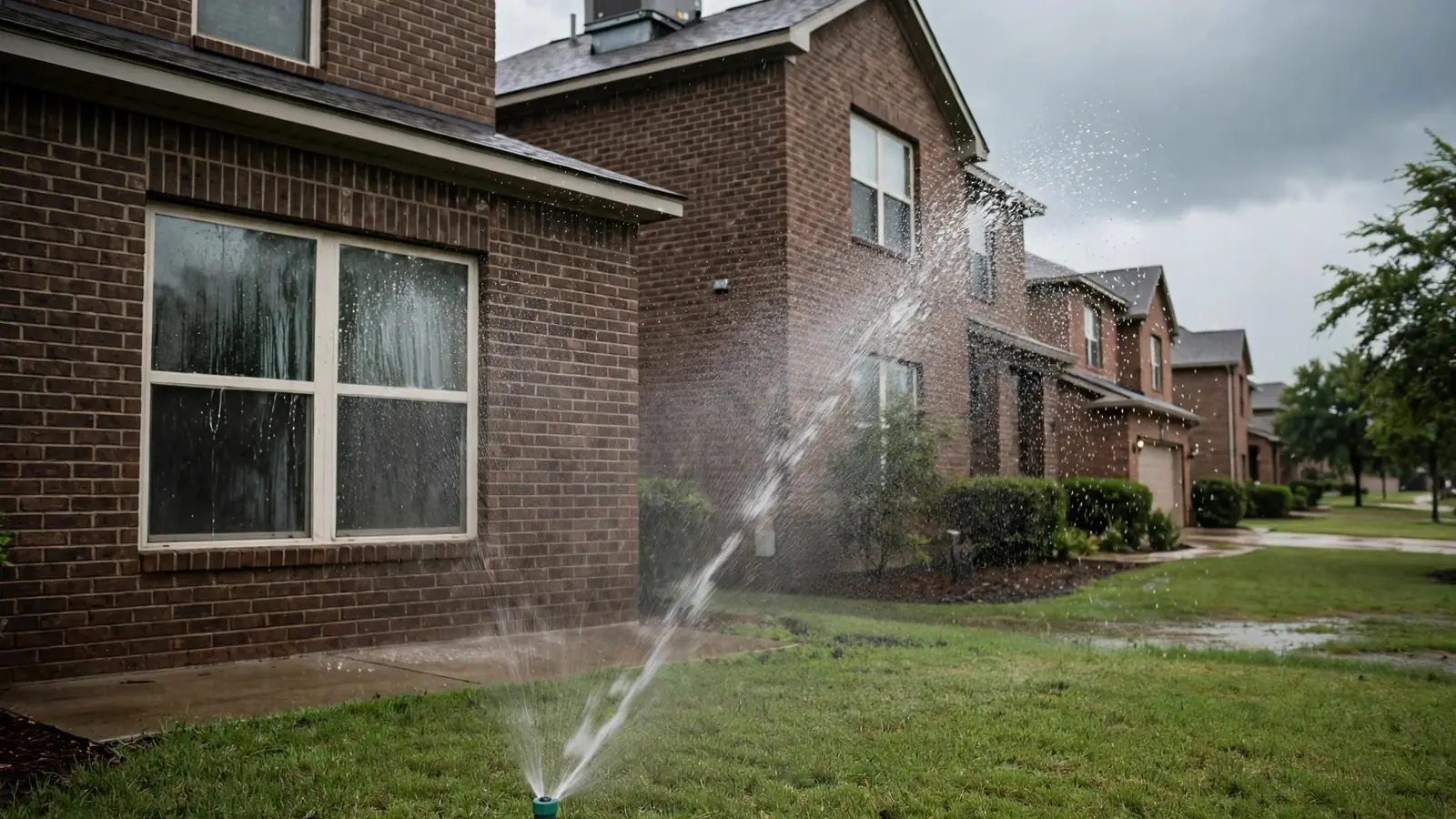
Living on a course means more irrigation nearby than most homes see. Your own sprinklers plus course watering keep the soil around the back of the house moist through the summer. That is generally better for a slab on clay than dry, cracking soil, but sprinkler heads aimed at the house can wet brick and window frames and work water into walls.
During heavy storms, water moves across fairways toward drains and ponds. Lots that sit lower than the course, or where fences and landscaping have changed the original grading, can see water pool against the back of the house. Watching where water goes during a big rain shows whether a drain or regrading is needed.
Check sprinkler zones near the house every spring: heads pointing at walls, broken heads that bubble at the base and timers set to run too long all add water you do not need near the foundation.
- Aim sprinkler heads away from walls
- Check zones near the house each spring
- Watch where runoff goes in heavy rain
- Keep back-door thresholds sealed
Maintenance
Keeping a large home leak-ready
A few habits matter more in a larger house. Walk the whole house once a week, including guest rooms and bathrooms that are rarely used, and run each fixture briefly so you notice drips or slow drains. Put leak sensors under sinks, behind the refrigerator, near the water heaters and in the laundry room. Some homeowners add a smart shut-off valve that closes the main when a sensor detects water.
Have a plumber look at older copper lines if your home is from the 1970s or 1980s and you have had one slab leak already. Where one pinhole appeared, others may follow, and rerouting lines overhead is sometimes recommended.
Each spring, before cooling season, have the HVAC drain lines cleared and the pans checked. With more than one unit in the attic, that is more than one chance of a summer ceiling leak.
Seasonal
Seasonal checks for golf-course homes
| Season | What to check |
|---|---|
| Spring | HVAC drain lines, sprinkler zones, roof after hail, gutters |
| Summer | Attic pans and drain lines, irrigation timers, signs of soil cracking near the slab |
| Fall | Gutters after leaf drop, roof and flashing, outdoor faucets |
| Winter | Insulate exposed pipes, cover outdoor faucets, know where the main shut-off is |
Outdoor living
Outdoor kitchens, patios and pool equipment
Back patios facing the course often have outdoor kitchens with sinks and ice makers, covered porches with ceiling fans and, in many yards, a pool with its own pumps and plumbing. Water lines that run out to an outdoor kitchen are exposed to freezing in winter and to sun in summer, and a split line can run unnoticed outdoors until the soil near the slab is soaked.
Covered patios attached to the house can also channel rain toward the back wall if their roof drains poorly. Over time, that can wet the wall and the carpet just inside the back door. Pool equipment leaks are usually outdoors, but a pool deck that slopes toward the house sends splash and storm water in the wrong direction.
Before winter, drain or shut off outdoor kitchen lines and cover hose bibs. In spring, look along the back wall of the house for damp baseboards or swollen trim near patio doors.
Contents
Formal rooms, rugs and fine furnishings
Larger homes around the club often have formal living and dining rooms with wood floors, area rugs, upholstered furniture, artwork and cabinets full of china and keepsakes. These rooms are used less, so a leak nearby may go unnoticed, and their contents can be harder to replace.
When water reaches them, move fine furniture onto blocks or out of the room, and lift rugs off wet wood floors right away, since dyes can bleed into both. Valuable rugs, antiques and artwork usually need specialist cleaners or conservators rather than general drying. Tell the contractor about anything of special value at the start so it can be photographed, listed and handled first.
Away from home
Leaks while you are away
Many homeowners in this part of Mansfield travel, whether for a weekend tournament or a long summer trip. A supply line that bursts on the first day of a two-week trip can do far more damage than one that fails while someone is home.
Before leaving, turn off the water to the washing machine and ice maker, or shut off the main if the house will be empty for a while and no irrigation depends on it. Ask a neighbor to walk through the house every few days. Leak sensors that send alerts to a phone mean you hear about a problem in hours instead of weeks.
If you come home to water damage, photograph it before doing anything, then shut off the water and call. Insurers will ask when the leak started, so any clues such as mail dates or sensor alerts are worth noting.
Remodels
Remodels, additions and mixed plumbing
Over forty years, many homes around the club have been remodeled: kitchens opened up, baths updated, rooms added at the back. Each project may have added new plumbing joined to the original lines. Those joins, and lines rerouted through walls or attics, are places where leaks can start.
Remodels also change what is under the floor and inside walls. A bathroom with new tile over an old subfloor, or an addition on its own slab, may dry differently from the rest of the house. If you know a room was remodeled, tell the contractor, since it helps them read the moisture map.
Slab leak questions
Questions to ask about a slab leak repair
These help you coordinate the plumber and the restoration contractor.
- Where exactly is the leak?Ask how it was located and whether it is on a hot or cold line.
- Spot repair or reroute?Find out whether the plumber recommends breaking out the slab at one spot or rerouting the line overhead, and why.
- Are other lines at risk?With older copper, ask whether testing the rest of the system makes sense.
- Who handles the floor?Clarify who will restore any slab opened for the repair and when drying can start.
Related problems
Problems that often come with water damage here
- Repeat slab leaksOlder copper lines may fail in more than one place over time.
- Wood floor damageCupping and gaps in hardwood after a leak need patient drying before decisions.
- Mold behind cabinetsLeaks under sinks and wet bars that run unnoticed can grow mold behind cabinets [2]. Larger mold jobs in Texas involve licensed remediators [4].
- Foundation movementLarge leaks under a slab on clay can coincide with cracks or sticking doors; a foundation specialist should assess them.
New owners
Older homes with newer owners
Homes around the club change hands regularly, and new owners do not always know the history of the plumbing or where the shut-offs are. If you have recently bought here, ask the seller or your inspector about past leaks, look at the water heater label and walk the attic to see the HVAC units and their drain lines. A short orientation now saves time on the night something fails.
Labeling the main shut-off and each HVAC unit's drain line takes a few minutes and helps anyone in the house act quickly.
FAQ
Water damage questions near Walnut Creek Country Club
How do I know if I have a slab leak?
Signs include a water meter that moves with everything off, warm spots on the floor, the sound of running water and damp carpet in one spot. A plumber can confirm it.
Does the floor have to be broken up to fix a slab leak?
Not always. Plumbers sometimes reroute the line through walls or the attic instead.
Can hardwood floors be saved after a leak?
Often, with slow drying using floor mats. Engineered wood glued to the slab may lose its bond if water stays underneath.
Why did my downstairs ceiling stain when nothing leaked upstairs?
An attic HVAC drain line or pan may be overflowing. Check the unit above the stain.
Can course irrigation cause damage to my house?
Sprinkler water aimed at walls or poor drainage toward the house can keep walls and soil wet. Adjusting heads and grading helps.
How long does drying take in a large house?
Many losses dry in a few days. Two-story losses, wood floors and slab leaks can take longer.
What if I find a leak near the club late in the evening?
Yes. The line is staffed 24/7, so a leak found late at night can be discussed right away.
Is the contractor part of this website?
No. This site is a referral line; the contractor you speak with runs an independent local business.